The cement sector operates within a highly intricate working environment, demanding top-notch quality and rigorous product standards to ensure the efficient and cost-effective production of the final product.
Conveyor belts in the cement industry are a crucial component of the material handling process within cement plants. Conveyor belts are specialized designed to transport various materials, including raw materials, clinker, cement, and other products, from one point to another efficiently and continuously. These conveyor belts play a vital role in ensuring the smooth and cost-effective operation of cement manufacturing plants.
Our complete belting solution is just perfect for the various applications involved in cement industry starting from extraction of raw materials from quarries till the shipment of cement.
Various types of conveyor belt are used in the cement production process.
We supply heat-resistant conveyor belts to cement plants that are designed to withstand continuous temperatures up to 160°C and peak temperatures up to 180°C. Suitable for more extreme temperatures up to 200°C. These belts are mainly used in the cement industry to transport clinker.
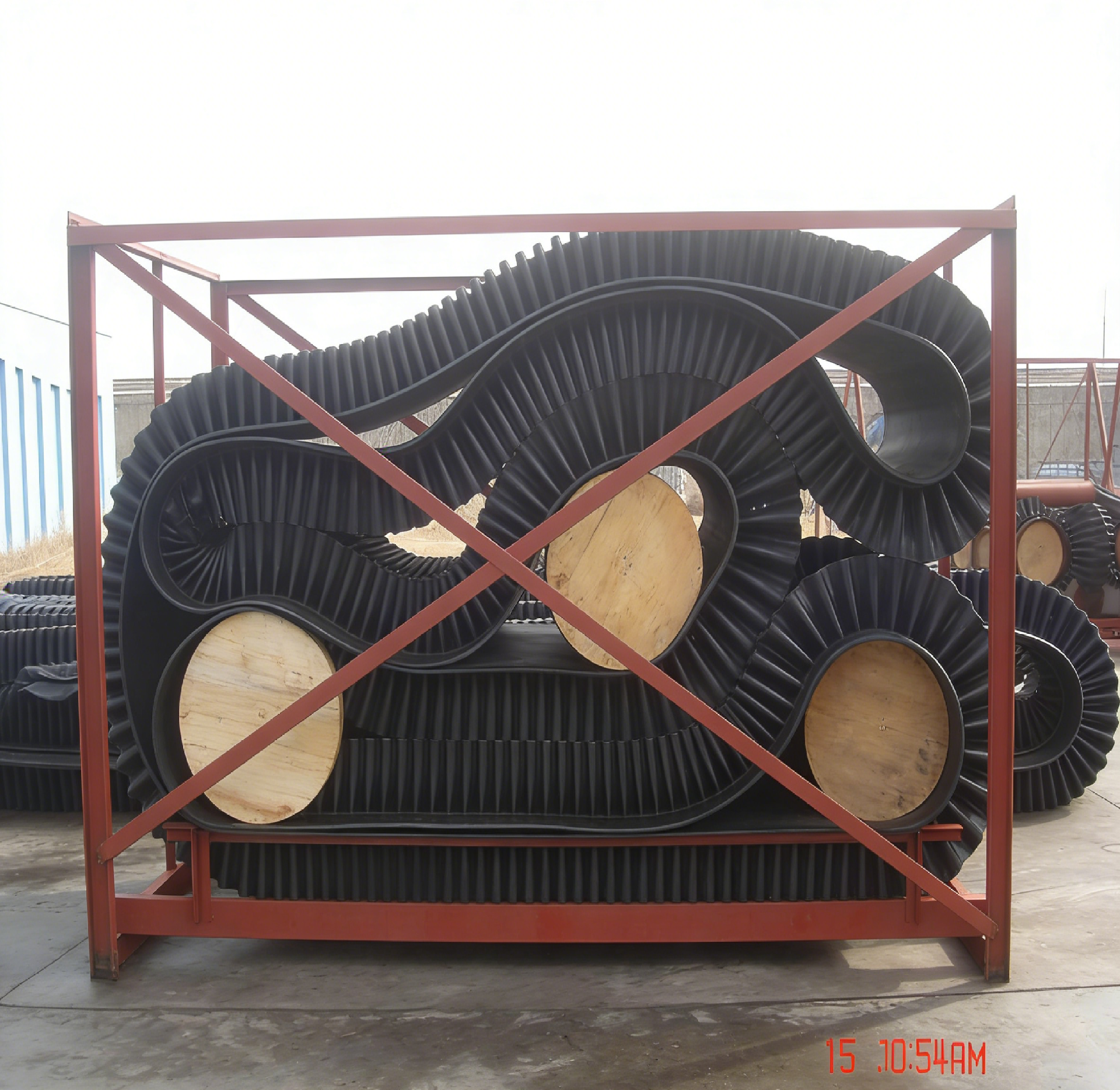
We offer High-Performance Chevron Belt Belts for Cement plant: In areas where inclines or declines are present, such as when conveying bulk materials from one elevation to another, Chevron Belt Belts for Cement plant are ideal. These cleats provide extra grip and prevent material slippage, ensuring a steady flow of materials.
We offer Steel Cord Belts for Cement plant for the applications like long distance conveyors and Bucket Elevators.
Belting Solutions for following major applications in cement industry
In the cement industry, the efficient handling of materials at various stages of production is essential for maintaining productivity and reducing downtime. Conveyor belts play a crucial role in ensuring the smooth flow of materials throughout the cement manufacturing process. Here are some key applications where belting solutions are vital:
Extraction of Raw Materials:
Extracting raw materials like limestone, clay, and shale from quarries is the first step in cement production. Heavy-duty conveyor belts are used to transport these materials to the processing plant. Belts with high abrasion resistance and durability are crucial in this application to withstand the harsh conditions of mining operations.
Transferring Raw Materials:
Once extracted, raw materials need to be transferred to the processing area. Conveyor belts with the appropriate width, load capacity, and inclination are used to efficiently move materials from one location to another within the plant. Belt selection should consider factors like material characteristics and distance to ensure smooth transfer.
Processing in Kiln:
The heart of cement production is the kiln, where raw materials are heated to high temperatures to form clinker. Conveyor belts are used to transport raw materials into the kiln and to move the clinker out. Heat-resistant belting solutions are essential here to withstand extreme temperatures and ensure continuous operation.
Storage in Silos:
Cement silos are used to store the finished product before shipment. Conveyor belts play a role in filling and emptying these silos. Flexible and reliable belts are essential to prevent product contamination and ensure a consistent flow of cement into and out of the silos.
Shipment of Cement:
Getting the final product to customers or distribution centers requires the use of conveyor belts. These belts are used in loading and unloading cement from trucks, railcars, or ships. Belting solutions that offer high grip and resistance to abrasion are vital to prevent spillage and ensure efficient loading and unloading.
FAQ
Q1: What is the role of conveyor belts in the cement industry?
A1: Conveyor belts in the cement industry are used to transport raw materials, clinker, and finished cement products between various stages of the production process. They play a crucial role in automating material handling and ensuring a continuous flow of materials.
Q2: What are the key considerations when selecting a conveyor belt for cement production?
A2: Factors to consider include the type of material being transported, conveyor length, operating conditions (temperature, abrasion, etc.), load capacity, and maintenance requirements.
Q3: What maintenance practices are essential for conveyor belts in the cement industry?
A3: Regular maintenance includes belt cleaning, inspection for wear and tear, lubrication of moving parts, and periodic belt tension adjustment. Preventative maintenance helps prolong belt life and reduce downtime.
Q4: How can conveyor belts be protected from abrasive materials in cement production?
A4: Using wear-resistant materials for the conveyor belt cover, implementing effective cleaning systems, and selecting the appropriate type of belt for abrasive materials can help protect conveyor belts.